

In an era dominated by digital ads, social media feeds, and email campaigns, print marketing might seem like a relic of the past. Yet for many brands, print remains one of the most powerful tools for building credibility and strengthening customer trust. While digital channels offer speed and scale, print delivers something increasingly rare: tangibility, permanence, and authenticity.
Trust is the foundation of every successful brand. Without it, even the most innovative products and competitive pricing strategies fall short. Here’s how print marketing plays a crucial role in establishing and reinforcing that trust.
1. Tangibility Creates Credibility
Digital content is fleeting. A social media post can disappear in seconds, buried beneath an endless scroll of new information. Print, on the other hand, is physical. You can hold it, feel it, and revisit it.
This tangible quality sends a subtle but powerful message: the brand is established and invested. Producing printed materials—whether brochures, catalogues, magazines, or direct mail—requires time, planning, and financial commitment. Consumers often interpret this as a sign of legitimacy and stability.
A well-designed printed piece conveys permanence. It suggests that the company isn’t just experimenting with quick ads but is serious about its presence and reputation.
2. Higher Perceived Value
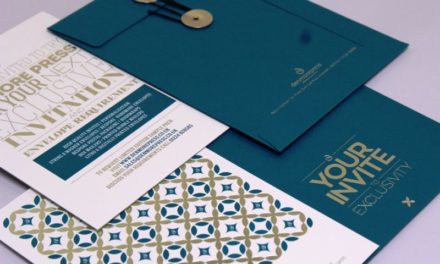
Printed materials are often perceived as more premium than digital ads. The texture of quality paper, the richness of ink, and thoughtful design details create a sensory experience that digital formats cannot replicate.
Luxury brands have long understood this principle. High-end catalogs, embossed business cards, and carefully curated print magazines reinforce brand prestige. But this effect isn’t limited to luxury markets. Any brand can elevate its image through thoughtful print design.
When customers receive something physical in the mail or at an event, it feels intentional. That intentionality translates into perceived value—and perceived value builds trust.
3. Reduced Skepticism Compared to Digital Ads
Consumers today are inundated with online advertising. Pop-ups, retargeting ads, and sponsored posts can create fatigue and skepticism. Many people automatically question the credibility of digital promotions.
Print marketing doesn’t carry the same stigma. It feels less intrusive and more curated. Research has consistently shown that consumers tend to trust printed information more than digital advertisements.
Printed materials often provide more detailed, structured information—such as product specifications, testimonials, or company background—which helps customers make informed decisions. The ability to present information in a clear, distraction-free format fosters confidence.
4. Longer Attention Spans and Deeper Engagement
Digital content competes with notifications, multiple tabs, and constant distractions. In contrast, when someone engages with print, they are typically more focused.
Reading a printed brochure or magazine often involves slower, more deliberate processing. This deeper engagement increases comprehension and retention. When customers better understand your message, they are more likely to trust your brand.
Additionally, print materials tend to remain in homes or offices longer than digital ads remain on screens. A catalog left on a coffee table or a flyer pinned to a board continues reinforcing your message over time.
5. Consistency Reinforces Reliability
Trust grows through consistency. When your print marketing aligns seamlessly with your digital presence—using the same branding, tone, and messaging—it creates a cohesive brand experience.
Consistent branding across business cards, packaging, signage, and direct mail communicates professionalism. It tells customers that your company pays attention to detail and values quality at every touchpoint.
This reliability fosters familiarity. And familiarity, over time, builds trust.
6. Personalisation Enhances Connection
Modern print marketing is far from generic. Advances in printing technology allow for personalized messaging, customized offers, and targeted campaigns.
Receiving a personalized postcard or catalog feels different from seeing a generic online ad. It signals that the company recognizes the individual customer, which strengthens the emotional connection.
When customers feel seen and understood, they are more likely to trust and remain loyal to a brand.
7. Print Supports Transparency
Transparency is a key driver of brand trust. Printed materials provide space to communicate detailed information about company values, sourcing practices, guarantees, and policies.
Unlike short digital ads that focus on quick conversions, print allows for storytelling. Brands can share their mission, history, and community involvement in a format that feels thoughtful and credible.
Annual reports, sustainability brochures, and product guides demonstrate accountability. By openly sharing information in a permanent format, companies reinforce their commitment to honesty and long-term relationships.
8. Integration with Digital Builds Omnichannel Trust
Print marketing doesn’t compete with digital—it complements it. QR codes, personalized URLs, and social media integrations bridge the gap between physical and online experiences.
For example:
- A direct mail piece can lead customers to a secure landing page.
- A printed event invitation can drive registration through a QR code.
- Product packaging can direct customers to online tutorials or reviews.
When print and digital channels work together seamlessly, they create a cohesive and reliable customer journey. This integration reinforces the brand’s professionalism and strengthens overall trust.
9. Demonstrates Commitment to Quality
High-quality print materials reflect high-quality standards. Poorly designed or cheaply produced materials can damage credibility, but thoughtfully executed print elevates brand perception.
Elements such as:
- Premium paper stock
- Professional photography
- Clean typography
- Clear messaging
all signal that the brand values excellence.
Customers often assume that the care invested in marketing reflects the care invested in products or services. When your print materials feel polished and professional, they build confidence in your overall offering.
10. Encourages Emotional Connection
Trust isn’t built on logic alone—it’s built on emotion. Print marketing can evoke emotions through design, storytelling, and sensory elements.
The tactile experience of flipping through pages, the visual impact of full-page imagery, and the thoughtful layout of content create a memorable brand interaction.
Memorable experiences foster positive associations. Over time, these associations deepen customer trust and loyalty.
Conclusion
While digital marketing dominates modern strategies, print marketing remains a powerful trust-building tool. Its tangibility, perceived value, credibility, and ability to foster deeper engagement make it uniquely effective in strengthening brand relationships.
Brands that integrate print thoughtfully into their marketing strategy gain more than visibility—they gain legitimacy. In a world where consumers are increasingly skeptical of online content, the physical presence of print offers reassurance.
Trust takes time to build, but every touchpoint matters. When done strategically, print marketing doesn’t just promote products—it reinforces confidence, credibility, and long-term brand loyalty. PrintUK.com



.jpg)
.jpg)