
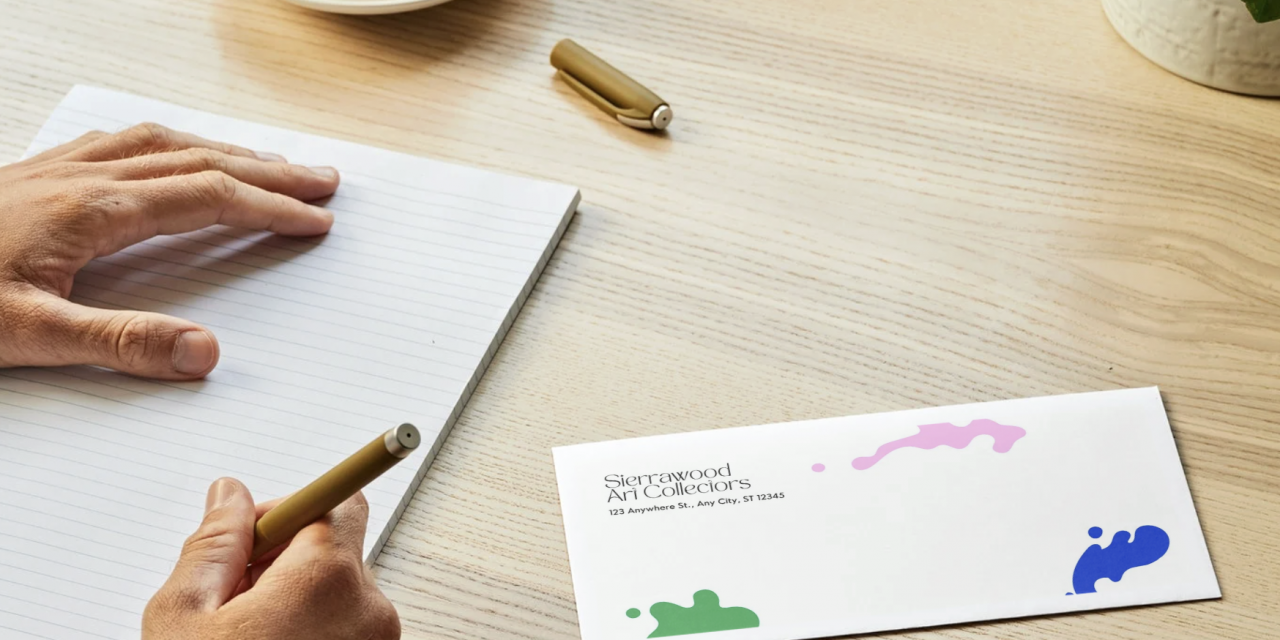
For years, direct mail has been declared “dead.” And yet, quietly and consistently, it keeps delivering results—often outperforming digital channels that were supposed to replace it.
In a world dominated by inbox overload, endless notifications, and fleeting attention, direct mail has found new power by doing something radically different: slowing people down.
Here’s why direct mail isn’t just surviving—it’s thriving.
Digital Fatigue Is Real
The average person receives dozens (if not hundreds) of emails a day. Social feeds refresh endlessly. Ads chase us from site to site. The result? We’ve learned to tune most of it out.
Direct mail doesn’t compete in that environment.
A physical piece of mail arrives with far less noise. There’s no spam folder for a postcard. No banner blindness for a handwritten envelope. When something lands in your mailbox, it earns a moment of real attention—often more than any email subject line ever could.
Physical Mail Creates a Psychological Impact
There’s something fundamentally different about holding a message in your hands.
Neuroscience backs this up: physical media engages more areas of the brain than digital content alone. It’s easier to remember, easier to process, and often feels more trustworthy. A well-designed mail piece feels intentional—and that intention matters.
Digital messages are easy to delete. Physical mail feels harder to ignore.
Trust Matters More Than Ever
Consumers are more skeptical than ever. Data privacy concerns, scams, and fake ads have eroded trust in digital channels.
Direct mail benefits from a built-in credibility boost. It feels official. Legitimate. Real.
When done well, it signals that a brand is established, invested, and willing to put resources behind its message—not just fire off another automated email.
Direct Mail and Digital Work Better Together
The real magic isn’t direct mail versus digital—it’s direct mail plus digital.
Today’s most effective campaigns integrate physical mail with online experiences:
- Personalised URLs (PURLs)
- QR codes that drive to landing pages
- Retargeting ads that follow mail recipients online
- SMS or email follow-ups triggered by mail delivery
Direct mail becomes the anchor—the moment of attention that makes every other channel perform better.
Personalisation Has Reached a New Level
Modern direct mail isn’t mass-produced and generic. With today’s data and print technology, it can be deeply personal.
Names, locations, purchase history, and behavior can all inform what shows up in someone’s mailbox. When a message feels tailored instead of broadcast, response rates climb—and relationships deepen.
It Signals Effort in an Automated World
Automation is efficient, but it’s also obvious.
Direct mail signals effort. It says, “We didn’t just add you to a list. We chose to reach you.”
That signal carries weight, especially for high-value prospects, B2B decision-makers, and customers you want to retain—not just reach once.
The Bottom Line
Direct mail works today not because it’s old—but because it’s different.
In a fast, noisy, disposable digital world, physical mail feels:
- More human
- More intentional
- More memorable
Brands that understand this aren’t abandoning digital—they’re enhancing it. And as attention becomes the scarcest resource of all, direct mail’s ability to command it makes it more relevant than ever.
If marketing is about being remembered, direct mail still delivers. For all your direct mail printing needs visit PrintUK.com


.jpg)
.jpg)